

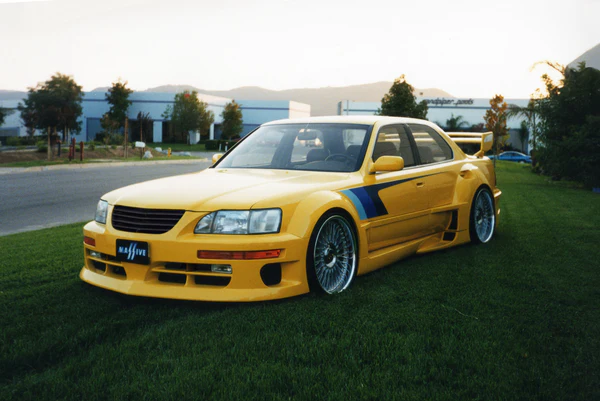
An LS400 body kit is a set of aftermarket exterior components designed specifically to change the appearance of the Lexus LS400, also known as the Toyota Celsior in some markets. Depending on the build, an LS400 body kit can include bumpers, side skirts, front lips, rear valances, spoilers, fenders, and other exterior pieces.
The LS400 has become a popular platform for customized builds because its classic luxury-sedan shape works well with both subtle and aggressive styling. If you are shopping for an LS400 body kit, fitment, model year, material, and the overall design direction should be considered before buying.
What Is an LS400 Body Kit?
An LS400 body kit consists of aftermarket exterior parts made to modify the factory appearance of the Lexus LS400.
Instead of changing the entire vehicle, owners can replace or add selected body components to create a different visual style.
Common LS400 body-kit components include:
- Front bumper
- Front lip
- Side skirts
- Rear bumper
- Rear valance
- Rear spoiler
- Fenders
- Hood
- Trunk components
- Complete body-kit packages
The exact components included depend on the manufacturer and product.
Why Is the LS400 Popular for Body Kits?
The Lexus LS400 has a distinctive boxy luxury-sedan profile, particularly in its earlier generations. Its relatively simple exterior design provides plenty of scope for customization.
Owners may build an LS400 around different styling directions, including:
- OEM-inspired styling
- VIP-style builds
- JDM-inspired designs
- Sporty street builds
- Wide-body builds
- Show cars
- Restomod projects
This flexibility is one reason the platform continues to attract aftermarket enthusiasts.
LS400 Generations and Body Kit Fitment
One of the most important things to check before buying an LS400 body kit is the generation of your vehicle.
The LS400 was produced across multiple generations, and exterior dimensions and body panels changed over time.
| Generation | Approximate Production Period | Common Identification |
|---|---|---|
| XF10 | 1989–1994 | First-generation LS400 |
| XF20 | 1994–2000 | Second-generation LS400 |
| XF30 | 2000–2006 | Third-generation LS430 |
| XF40 | 2006–2017 | LS460/LS600h |
The third generation was marketed as the LS430, while later generations were no longer called the LS400.
That distinction matters when searching for parts. A product advertised for an LS400 should not automatically be assumed to fit an LS430 or later LS model.
Always verify the exact year and generation before purchasing.
Popular LS400 Body Kit Styles
There is no single design that defines an LS400 body kit. Different styling approaches can completely change the character of the car.
1. OEM-Style Body Kits
OEM-inspired kits retain the original proportions of the LS400 while adding subtle styling changes.
They can be suitable for owners who want a cleaner appearance without making the vehicle look heavily modified.
Typical upgrades include:
- Refined front lips
- Subtle side skirts
- Rear valances
- Small spoilers
- Updated bumper designs
2. VIP-Style LS400 Body Kits
The LS400 is particularly well suited to VIP-inspired customization.
This style generally emphasizes a low, refined, luxury-oriented appearance rather than an overtly race-inspired design.
A typical build might combine:
- Lower body styling
- Deep-dish wheels
- Lowered suspension
- Clean paintwork
- Subtle aero components
The body kit is only one part of the overall look. Wheel fitment, ride height, paint, and exterior details need to work together.
3. JDM-Inspired Body Kits
JDM-inspired LS400 builds can draw styling cues from Japanese-market Celsior models and period-correct aftermarket designs.
These builds often focus on maintaining the car’s original character while adding distinctive exterior components.
4. Aggressive Body Kits
An aggressive LS400 build can use larger bumpers, pronounced side skirts, extended fenders, and larger rear aero components.
This approach creates a much more noticeable transformation.
However, aggressive parts can require more preparation and installation work than subtle components.
5. Wide-Body LS400 Kits
A wide-body setup extends the vehicle’s exterior width, usually around the wheel arches.
It can create space for wider wheels and tires depending on the specific design.
Wide-body conversions may involve significantly more work, including:
- Cutting or modifying body panels
- Installing wider fenders
- Adjusting wheel fitment
- Refinishing panels
- Modifying suspension setup
Because of this, wide-body builds should generally be planned as complete projects rather than treating the body kit as an isolated purchase.
Expert Tip: Before ordering an LS400 body kit, take measurements of the existing vehicle and compare them with the manufacturer’s fitment information. For older cars, previous repairs, replacement panels, and modifications can also affect how an aftermarket part sits on the vehicle.
What Materials Are LS400 Body Kits Made From?
The material affects weight, flexibility, durability, finishing requirements, and price.
Fiberglass
Fiberglass is common in aftermarket body panels because manufacturers can create complex shapes with it.
Pros:
- Lightweight
- Relatively affordable
- Easy to shape
- Suitable for custom designs
Cons:
- Less flexible than plastic
- Can crack from impacts
- May require additional preparation
- Fitment can vary between manufacturers
Polyurethane
Polyurethane has greater flexibility than many rigid materials.
This can make it useful for components that may experience minor contact with roads or obstacles.
ABS Plastic
ABS is another material used for aftermarket exterior components.
It offers a balance of flexibility and durability, although the actual characteristics depend on the product and manufacturing process.
Carbon Fiber
Carbon fiber is generally associated with premium aftermarket components.
It can provide a distinctive appearance and high strength-to-weight characteristics but usually costs more than fiberglass or conventional plastic.
| Material | Flexibility | Weight | Cost Level | Typical Use |
|---|---|---|---|---|
| Fiberglass | Low to moderate | Light | Lower | Custom body panels |
| Polyurethane | High | Moderate | Moderate | Lips and exterior components |
| ABS | Moderate | Moderate | Moderate | Body panels and aero |
| Carbon fiber | Low | Very light | Higher | Premium aero parts |
How to Choose the Right LS400 Body Kit
Buying an attractive kit is only the first step. The kit also needs to work with your vehicle and your intended build.
Verify the Model Year
An LS400 from one production period may have different bumper and mounting configurations from another.
Check:
- Model year
- Generation
- Body style
- Existing bumper
- Existing fenders
- Previous modifications
Check Product Fitment
Do not assume that a product labeled “LS400” will fit every LS400 without modification.
Look for specific fitment information from the manufacturer or seller.
If the product is listed for a specific production range, make sure your vehicle falls within that range.
Decide Between Individual Parts and a Complete Kit
You do not necessarily need to purchase an entire body kit.
If you like the factory bumper, for example, a front lip and side skirts may be enough to achieve the desired look.
A complete kit makes more sense when you want a consistent redesign across the entire exterior.
Consider Wheel and Suspension Setup
The body kit should work with the rest of the car.
A wide-body LS400 with narrow factory-style wheels may not have the visual balance you want.
Likewise, an extremely low vehicle combined with a very low front lip may become difficult to drive on ordinary roads.
LS400 Body Kit vs Individual Exterior Parts
| Option | Best For | Installation | Customization |
|---|---|---|---|
| Complete body kit | Full transformation | More involved | High |
| Front bumper | Front-end redesign | Moderate | Moderate |
| Front lip | Subtle upgrade | Lower | Moderate |
| Side skirts | Lower side profile | Moderate | Moderate |
| Rear valance | Rear styling | Moderate | Moderate |
| Spoiler | Additional rear styling | Usually simpler | Moderate |
| Wide-body kit | Dramatic transformation | Complex | Very high |
How Much Does an LS400 Body Kit Cost?
The price of an LS400 body kit varies considerably depending on the manufacturer, material, number of components, availability, and design.
The purchase price is only part of the total project cost.
You may also need to budget for:
- Shipping
- Paint
- Sanding and preparation
- Bodywork
- Installation
- Mounting hardware
- Wheel changes
- Suspension adjustments
- Alignment
For older LS400s, additional preparation may also be required if the existing body panels have corrosion, previous damage, or repairs.
Installation Considerations
Some exterior components can be installed relatively easily, while complete kits may require professional bodywork.
Installation can involve:
- Removing factory components
- Test-fitting the aftermarket parts
- Adjusting mounting points
- Checking panel gaps
- Preparing the surface
- Painting the components
- Installing the finished parts
- Checking clearance and alignment
Fiberglass parts, in particular, may require additional preparation before painting.
For a complete LS400 build, professional installation can help avoid uneven panel gaps and mounting problems.
Common LS400 Body Kit Mistakes
Buying Without Checking the Generation
This is one of the biggest mistakes.
The LS400 and later Lexus LS models are not interchangeable simply because they belong to the same LS family.
Ignoring Fitment
A kit can look perfect in photographs but still require extensive modification if it was not designed for your exact vehicle.
Forgetting Installation Costs
A body kit that appears inexpensive can become much more expensive after painting, preparation, and professional installation.
Mixing Incompatible Styling
Combining unrelated design styles can make the final vehicle look inconsistent.
Try to create a clear design direction before purchasing individual components.
Going Too Low
A very low front bumper or lip can create clearance problems on speed bumps, ramps, and uneven roads.
Key Takeaways
| Consideration | What to Know |
|---|---|
| Vehicle | Verify the exact LS400 year and generation |
| Style | Choose between OEM, VIP, JDM-inspired, aggressive, or wide-body designs |
| Material | Fiberglass, polyurethane, ABS, and carbon fiber have different characteristics |
| Fitment | Always check manufacturer-specific application information |
| Installation | Full kits may require professional bodywork |
| Budget | Include paint, preparation, installation, and shipping |
| Daily use | Consider ground clearance and road conditions |
| Overall design | Match the body kit with wheels, suspension, and other exterior modifications |
Finding an LS400 Body Kit
The right LS400 body kit depends on the generation of the vehicle and the style you want to achieve. A subtle lip can preserve the original character of the car, while a complete or wide-body kit can create a much more dramatic build.
When shopping for aftermarket exterior components, Overboost provides access to a range of automotive styling parts and body-kit products. Before ordering, confirm the exact vehicle application and review the installation requirements for the specific component.
For an older platform like the LS400, fitment information deserves particular attention. A properly planned build can deliver a cohesive appearance while avoiding unnecessary modification work.
Frequently Asked Questions
What is an LS400 body kit?
An LS400 body kit is a collection of aftermarket exterior components designed to modify the appearance of a Lexus LS400. Depending on the manufacturer, it may include bumpers, side skirts, lips, rear valances, spoilers, fenders, or other body panels. Kits can range from subtle OEM-inspired designs to aggressive custom builds.
Will any body kit fit an LS400?
No. LS400 body kits are generally designed for specific model years or generations, and exterior dimensions and mounting points can differ. Always check the manufacturer’s fitment information before purchasing. Existing modifications, replacement panels, and previous body repairs can also affect how an aftermarket component fits.
What is the best style for an LS400 body kit?
The appropriate style depends on the intended build. OEM-inspired kits suit owners seeking subtle changes, while VIP and JDM-inspired designs emphasize the LS400’s luxury-sedan character. Wide-body and aggressive kits create a more dramatic appearance but generally require additional installation and bodywork.
Can I install an LS400 body kit myself?
Some individual components can be installed by experienced DIY enthusiasts, but complete body kits may require test fitting, surface preparation, painting, drilling, modification, and professional bodywork. Fiberglass and wide-body components can be particularly demanding. Professional installation may be appropriate when precise panel alignment and finishing are important.
