


Building muscle is about more than just looking good at the beach. It’s a transformative process that enhances your metabolism, improves bone density, and boosts overall functional strength. Whether you’re a complete beginner stepping into the weight room for the first time or someone looking to break through a plateau, understanding the fundamentals is crucial.
You might have stumbled upon the WellHealth how to build muscle tag while searching for reliable fitness advice. This guide is designed to be that comprehensive resource. We will break down the science of hypertrophy, the nutrition you need to fuel your gains, and the training principles that actually deliver results.
The Science of Muscle Growth: Understanding Hypertrophy
Before you pick up a dumbbell, it helps to understand what’s happening under your skin. Muscle growth, scientifically known as hypertrophy, isn’t magic; it’s a biological adaptation.
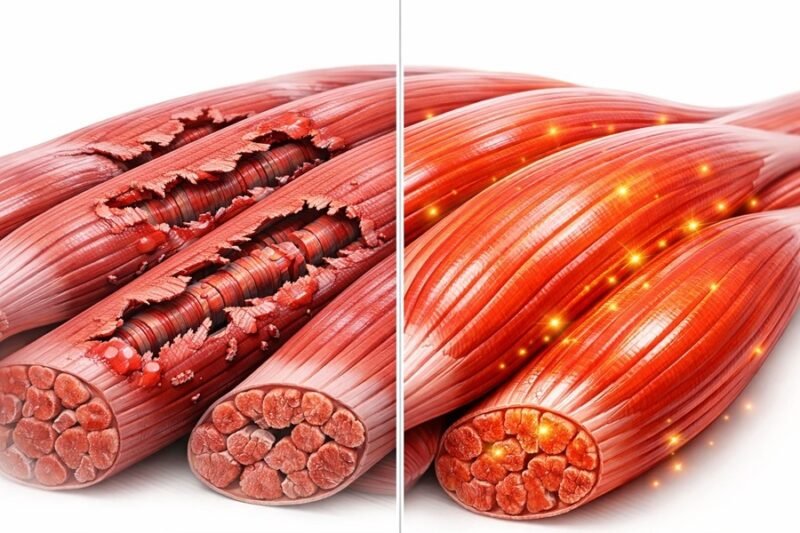
When you lift weights, you create microscopic tears in your muscle fibers. This might sound alarming, but it’s the catalyst for growth. Your body repairs this damage by fusing muscle fibers together to form new protein strands. These repaired myofibrils increase in thickness and number to create muscle hypertrophy.
However, this repair process doesn’t happen while you are lifting. It occurs when you are resting. This is why the “WellHealth” approach to fitness emphasizes a balance between stimulus (exercise) and recovery. Without adequate rest and nutrition, you are simply breaking down muscle without giving it the tools to rebuild stronger.
Nutrition for Muscle Building: Fueling Your Gains
You can’t out-train a bad diet. To build muscle, you need to provide your body with the necessary building blocks.
The Power of Protein
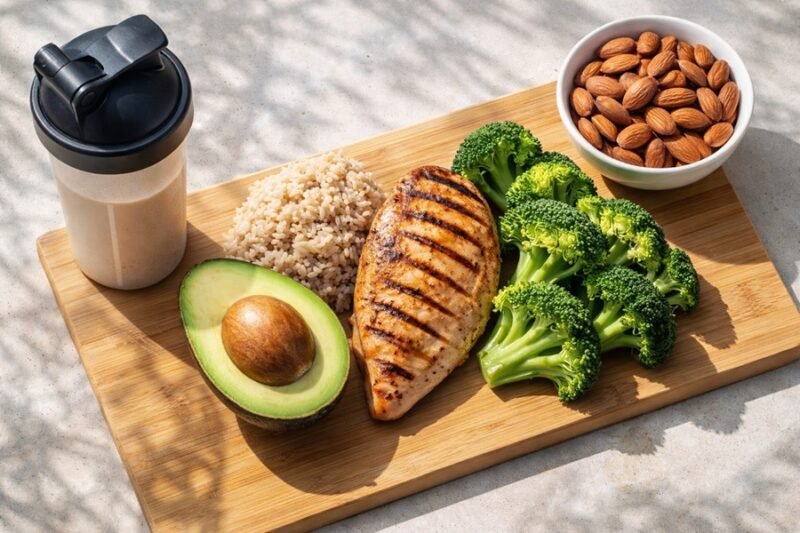
Protein is the king of muscle-building nutrients. It provides the amino acids necessary to repair and build muscle tissue.
- How much? A common recommendation is 0.7 to 1 gram of protein per pound of body weight.
- Sources: Lean meats (chicken, turkey), fish, eggs, dairy, and plant-based options like tofu, lentils, and quinoa.
Carbohydrates are Energy
Don’t fear carbs. They are your body’s primary fuel source for high-intensity training. Glycogen, stored in your muscles from carbohydrates, powers you through those heavy squats and deadlifts.
- Sources: Oats, brown rice, sweet potatoes, fruits, and whole grains.
Fats for Hormonal Health
Healthy dietary fats are essential for hormone production, including testosterone, which plays a vital role in muscle growth.
- Sources: Avocados, nuts, seeds, olive oil, and fatty fish like salmon.
Essential Training Principles for Maximum Results
Walking into the gym without a plan is a recipe for stagnation. To see real changes under the WellHealth how to build muscle tag philosophy, you need to adhere to three main pillars.
Progressive Overload
This is the most critical rule of lifting. To get stronger, you must continually increase the demands on your musculoskeletal system. You can achieve this by:
- Adding more weight to the bar.
- Doing more reps with the same weight.
- Decreasing rest time between sets.

Compound Exercises
Isolation exercises (like bicep curls) have their place, but compound movements should be the foundation of your routine. These exercises recruit multiple muscle groups and joints, allowing you to lift heavier loads and stimulate more overall growth.
- Key moves: Squats, deadlifts, bench press, overhead press, and pull-ups.
Training Frequency
Consistency is key. Hitting a muscle group once a week might not be enough for optimal growth. Many experts recommend training each major muscle group twice a week to maximize protein synthesis windows.
Sample Workout Plan for Beginners
If you are looking for a practical application of the WellHealth how to build muscle tag advice, try this simple Full Body routine. Perform this workout 3 days a week (e.g., Monday, Wednesday, Friday).
- Barbell Squats: 3 sets of 8-10 reps
- Bench Press: 3 sets of 8-10 reps
- Bent Over Rows: 3 sets of 8-12 reps
- Overhead Shoulder Press: 3 sets of 8-12 reps
- Lunges: 3 sets of 10-12 reps per leg
- Plank: 3 sets holding for 30-60 seconds
A Guide to Supplements
Supplements should be viewed as “supplements” to a good diet, not replacements. However, a few have strong scientific backing to support muscle growth.
- Whey Protein Powder: A convenient way to hit your daily protein goals, especially post-workout.
- Creatine Monohydrate: One of the most researched supplements. It helps replenish ATP (energy) in muscle cells, allowing for improved performance and strength output.
- BCAAs (Branched-Chain Amino Acids): Useful for training in a fasted state, though most people get enough BCAAs from a high-protein diet.
The Importance of Rest and Recovery
This is where the growth happens. If you are training hard but only sleeping five hours a night, you are short-changing your results.
Sleep is when your body releases growth hormone. Aim for 7-9 hours of quality sleep per night. Additionally, manage your stress levels. High cortisol (stress hormone) can actually be catabolic, meaning it breaks down muscle tissue—the exact opposite of what you want. Active recovery, like light walking or yoga, can also help improve blood flow and reduce soreness on your off days.
Common Mistakes to Avoid
Even with the best intentions, it’s easy to fall into traps that hinder progress.
- Ego Lifting: Lifting more weight than you can handle with proper form. This leads to injury, not growth.
- Inconsistency: Skipping workouts or meals prevents the momentum needed for adaptation.
- Ignoring Legs: Training your lower body releases systemic hormones that help your upper body grow too. Don’t skip leg day!
- Lack of Patience: Building muscle is a slow process. It takes months and years, not days and weeks.
Start Your Strength Journey Today
Building a stronger, healthier body is one of the best investments you can make in yourself. By following the principles outlined in this guide—prioritizing protein, embracing progressive overload, and respecting recovery—you are setting yourself up for success.
Don’t let the WellHealth how to build muscle tag just be another search in your browser history. Use it as the catalyst to start lifting, eating well, and transforming your physique. Consistency is your greatest ally. Get to the gym, stick to the plan, and watch your body change.
Read Also: How to Fix an Asymmetrical Face: A Guide to Balance and Harmony
