


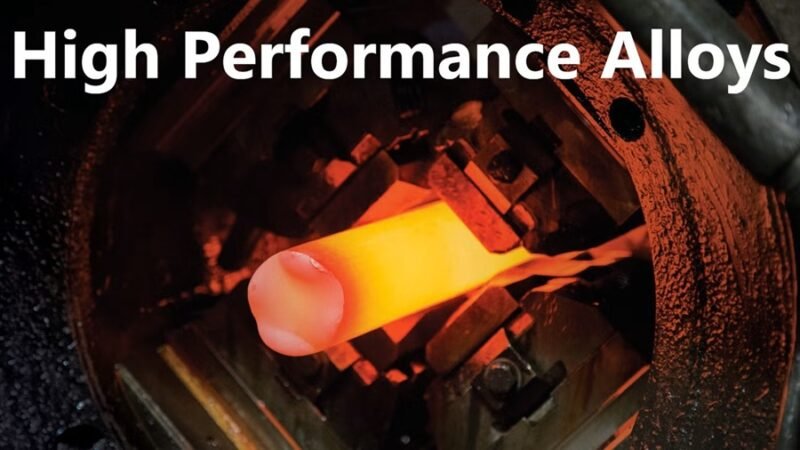
When we talk about modern engineering, ordinary metals are often not enough. Whether it is a jet engine flying at 30,000 feet or a chemical plant handling high heat, we need something stronger. This is where High Performance Alloys (also known as Superalloys) come into the picture.
In this guide, I will explain what these alloys are, why they are so special, and how they are changing the world of technology in 2026.
What Exactly are High Performance Alloys?
In simple words, an alloy is a mixture of two or more metals. But a “High Performance” alloy is different. It is designed to survive in extreme conditions where normal steel would melt or break.
These alloys usually have a base of Nickel, Cobalt, or Iron. They are famous for three main things:
- Heat Resistance: They can stay strong even at temperatures above 1000°C.
- Corrosion Resistance: They don’t rust easily, even when touching harsh chemicals or salt water.
- Mechanical Strength: They don’t lose their shape under heavy pressure.
Key Types of Alloys You Should Know
| Alloy Type | Main Material | Best Use Case |
|---|---|---|
| Nickel-Base | Nickel + Chromium | Jet Engines & Gas Turbines |
| Cobalt-Base | Cobalt + Chrome | Medical Implants & Cutting Tools |
| Iron-Base | Iron + Nickel | Industrial Furnaces |
Why are They Important in 2026? (The Human Touch)
Editor’s Note: “I often get asked—why do we care about alloys? Think about it this way: without these special metals, we wouldn’t have safe air travel or efficient green energy. As an enthusiast, I find it amazing how a small change in a metal’s recipe can make a rocket reach space safely.”
In 2026, we are seeing a huge demand for these alloys in Electric Vehicles (EVs) and Space Exploration. Companies like SpaceX and Tesla are constantly looking for lighter and stronger alloys to make their machines more efficient.
Common Applications
- Aerospace: High performance alloys are used in the hottest parts of jet engines.
- Medical Science: Because they are “Biocompatible,” cobalt-chrome alloys are used for knee and hip replacements.
- Energy Sector: Nuclear power plants use nickel alloys to prevent leaks and handle extreme heat.
Frequently Asked Questions (FAQs)
- What are the most common high performance alloys? The most common ones are Nickel-base alloys (like Inconel), Cobalt-base alloys, and Titanium alloys. They are chosen based on how much heat or pressure they need to handle.
- Why are these alloys called “Superalloys”? They are called Superalloys because they maintain their mechanical strength and resist surface degradation even when they are used at very high temperatures (close to their melting points).
- Are high performance alloys used in everyday life? While they are mostly used in big industries like Aerospace and Energy, you can find them in smaller things too, such as high-end medical implants and certain high-performance car engine parts.
- How long do these alloys last? Because they are highly resistant to rust and heat, these alloys can last for many years, even in the harshest environments like deep-sea oil drilling or jet engines.
Final Thoughts: Are They Worth the Cost?
High performance alloys are much more expensive than regular steel. However, when safety and long life are the priorities, they are the only choice. If you are a student or an engineer, understanding these materials is the first step toward the future of manufacturing.
Read Also: How to Change the Tyre: A Step-by-Step Guide
