

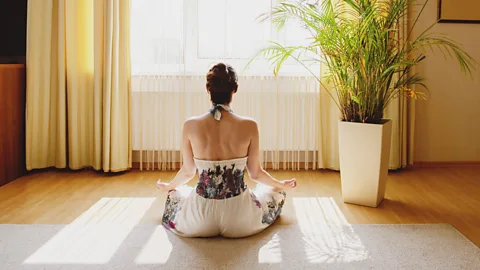
You might think meditation is reserved for monks sitting in silence on mountaintops or yogis who can twist their bodies into pretzels. But look around your local coffee shop, office, or gym, and you will likely find people who credit their calm demeanor and sharp focus to a daily meditation practice.
Meditation has moved from the fringes of alternative wellness into the mainstream conversation about health. CEOs, athletes, and parents alike are turning to this ancient practice to navigate the complexities of modern life. It isn’t about escaping reality or stopping your thoughts completely. Instead, it offers a way to observe your thoughts without judgment and train your attention.
If you have felt overwhelmed by stress, struggled to sleep, or simply wanted to feel more present in your day-to-day life, meditation might be the tool you are missing. Developing a consistent habit can profoundly impact both your mental and physical well-being.
Understanding the Landscape of Meditation
To help you easily understand the benefits of meditation, here is a quick overview table:
| Category | Key Benefit | How it Helps |
| Mental Health | Stress & Anxiety Reduction | Lowers cortisol levels and calms the “fight or flight” response. |
| Cognitive | Enhanced Focus | Increases attention span and helps you stay on task longer. |
| Physical | Heart Health | Reduces strain on the heart by lowering blood pressure. |
| Lifestyle | Better Sleep | Calms racing thoughts, making it easier to fall and stay asleep. |
| Well-being | Pain Management | Changes how the brain perceives physical discomfort. |
Before diving into the benefits, it is helpful to understand what meditation actually is. At its core, meditation is a practice where an individual uses a technique to train attention and awareness, achieving a mentally clear and emotionally calm and stable state.
There isn’t just one way to meditate. Different styles suit different personalities and goals. Here are a few of the most common types you might encounter:
Mindfulness Meditation
This is perhaps the most popular form in the West today. Mindfulness encourages you to remain aware and present in the moment. rather than dwelling on the past or dreading the future. You pay attention to your thoughts as they pass through your mind, but you don’t judge them or become involved with them. You simply observe and take note of any patterns.
Transcendental Meditation
Often referred to as TM, this is a technique where you silently repeat a mantra—a word, sound, or phrase—in a specific way. The goal is to settle your body into a state of profound rest and relaxation and your mind into a state of inner peace, without needing to use intense concentration or effort.
Loving-Kindness Meditation
Also known as Metta meditation, this practice focuses on developing feelings of goodwill, kindness, and warmth towards others. It usually involves silently repeating specific phrases that send love to yourself, your loved ones, acquaintances, and even people you may dislike.
Movement Meditation
For those who struggle to sit still, movement meditation is a fantastic alternative. This includes practices like yoga, tai chi, or qigong, where the focus is on the movement of the body and the breath. It can even be as simple as a mindful walk in nature, where you focus entirely on the sensation of your feet hitting the ground.
Unlocking Mental Health Gains
The impact of meditation on the brain is one of the most studied areas in neuroscience. The findings consistently show that taking time to sit and breathe can rewire your brain for the better.
Stress Reduction
Stress is often the primary reason people try meditation. Mental and physical stress causes increased levels of the stress hormone cortisol. This produces many of the harmful effects of stress, such as the release of inflammation-promoting chemicals called cytokines.
Regular practice has been shown to lower cortisol levels. By engaging the relaxation response, meditation helps the body recover from the “fight or flight” mode that many of us live in constantly.
Anxiety Relief
Less stress translates to less anxiety. By training your mind to focus on the present moment, you stop the cycle of worry and rumination that fuels anxiety disorders. Studies have shown that mindfulness meditation can reduce symptoms of anxiety in people with generalized anxiety disorder, and these positive effects can last for years after the initial training.
Improved Focus and Concentration
In an era of constant notifications and digital distractions, our attention spans are suffering. Meditation is like weight lifting for your attention span. It helps increase the strength and endurance of your focus. One study found that human resource workers who practiced mindfulness for 8 weeks stayed on task longer and had better memory of the details of their tasks than those who didn’t.
The Physical Ripple Effect
While meditation is a mental exercise, the benefits extend well beyond the brain. Your body listens to what your mind says, and a calm mind can lead to a healthier body.
Lower Blood Pressure
High blood pressure makes the heart work harder to pump blood, which can lead to poor heart function. Meditation improves physical health by reducing strain on the heart. Over time, it appears to control blood pressure by relaxing the nerve signals that coordinate heart function, blood vessel tension, and the “fight-or-flight” response.
Better Sleep
Roughly half the population will struggle with insomnia at some point. Meditation helps you control or redirect the racing or “runaway” thoughts that often lead to insomnia. Additionally, it can help relax your body, releasing tension and placing you in a peaceful state that is more likely to help you fall asleep.
Pain Management
Your perception of pain is connected to your state of mind, and it can be elevated in stressful conditions. Research suggests that incorporating meditation into your routine can be beneficial for controlling pain. It doesn’t necessarily remove the source of the pain, but it changes how the brain perceives it, making it more manageable and less debilitating.
How to Start Your Practice
Starting a new habit can be intimidating, but meditation is accessible to everyone. You don’t need special equipment or a membership. Here is a simple framework to get you started:
- Choose a Time and Place: Consistency is more important than duration. Try to meditate at the same time each day, such as first thing in the morning or right before bed. Find a quiet spot where you won’t be disturbed.
- Get Comfortable: You don’t need to sit cross-legged on the floor if that hurts your knees. You can sit on a chair, a cushion, or even lie down (though you might fall asleep!). The goal is to be comfortable but alert.
- Start Small: Don’t aim for a 30-minute session on your first day. Start with three to five minutes. It is better to meditate for five minutes every day than for an hour once a week.
- Focus on Your Breath: Close your eyes and follow the sensation of your breath as it goes in and out. Focus on the air moving through your nose or the rise and fall of your chest.
- Be Kind to Your Wandering Mind: Your mind will wander. That is a guarantee. When you notice your thoughts have drifted to your grocery list or an email you need to send, gently bring your focus back to your breath. That act of returning your focus is the meditation.
Overcoming Common Challenges
Even with the best intentions, you will face hurdles. Here is how to navigate the most common ones:
- “I can’t stop thinking.” This is the most common misconception. The goal isn’t to stop thinking; it’s to stop getting carried away by thoughts. Imagine your thoughts are cars on a highway. Instead of running into traffic, just stand on the side of the road and watch them go by.
- “I don’t have time.” If you have time to scroll through social media for 10 minutes, you have time to meditate. Prioritize it as you would brushing your teeth.
- “I get bored.” Boredom is often just restlessness in disguise. If sitting in silence is too difficult, try a guided meditation app. Having a voice to guide you can keep you engaged.
Your Journey to Inner Peace Starts Now
Daily meditation is a powerful habit that can transform your mental and physical health. It offers a sanctuary of calm in a chaotic life, a way to lower stress, improve focus, and even sleep better.
The beauty of this practice lies in its simplicity. It requires no money and very little time, yet the returns are immense. Remember that meditation is a journey, not a destination. Some days will feel easy and blissful, while others will feel like a struggle. Both are part of the process.
Why not take five minutes right now? Put down your phone, close your eyes, and take a deep breath. Your mind will thank you.
Read Also: How to Remove Pimples Naturally and Permanently: The Ultimate Guide
