

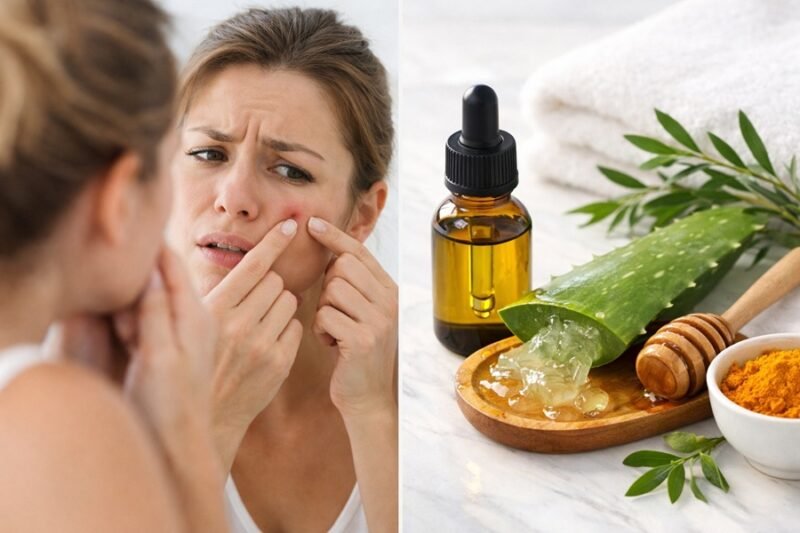
Waking up to a red, angry bump on your face is a universal frustration. It always seems to happen right before a big event, a date, or a presentation. While your first instinct might be to pop it or slather it in harsh chemicals, many people are looking for gentler alternatives. You want clear skin, but you also want to maintain the health of your skin barrier.
Learning how to remove pimples naturally and permanently isn’t about finding a magic wand. It is about understanding what your skin needs and adopting a holistic approach. While “permanently” getting rid of acne requires consistent lifestyle changes, nature offers powerful ingredients to help treat active breakouts effectively. This guide covers the science behind breakouts, the best home remedies, and the habits you need to build for long-term clarity.
Understanding the Root Causes of Acne
Before treating the problem, you need to understand the source. Pimples form when your hair follicles become clogged with oil (sebum) and dead skin cells. This creates a plug that can become infected with bacteria, leading to inflammation.
Several factors contribute to this process:
- Hormonal Changes: Fluctuations in hormones can increase oil production.
- Diet: Certain foods may trigger inflammation in the body.
- Stress: High stress levels produce cortisol, which can prompt the skin to produce more oil.
- Genetics: Sometimes, your skin type is simply prone to congestion.
To treat acne naturally, you need ingredients that combat bacteria, reduce inflammation, and unclog pores.
Top Natural Remedies for Active Breakouts
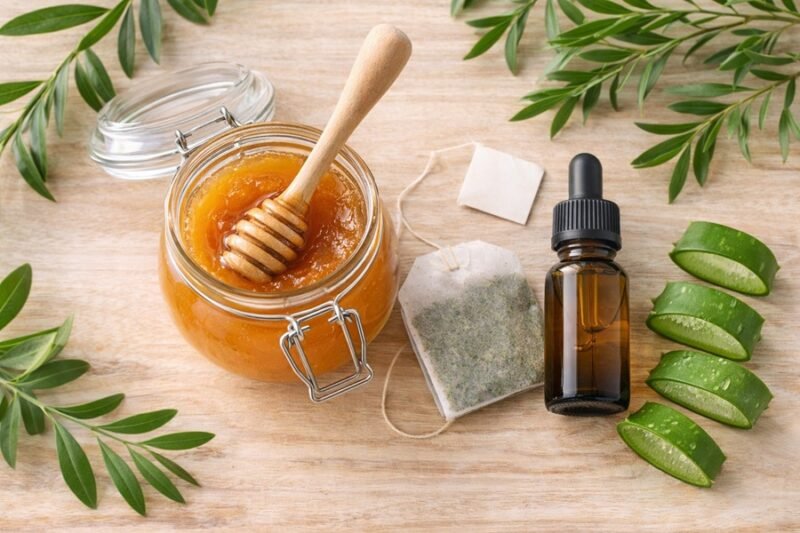
Nature provides a medicine cabinet full of solutions if you know where to look. Here are some of the most effective natural treatments for reducing pimples.
Tea Tree Oil: Nature’s Antiseptic
Tea tree oil is famous for its ability to fight bacteria and reduce skin inflammation. Studies suggest that 5% tea tree oil gel can be as effective as benzoyl peroxide, a common pharmaceutical acne treatment, but with fewer side effects like dryness and irritation.
How to use it:
- Dilute it: Never apply full-strength tea tree oil directly to your face, as it can burn. Mix one part tea tree oil with nine parts water or a carrier oil (like jojoba oil).
- Spot treat: Dip a cotton swab into the mixture and apply it directly to the pimple.
- Repeat: Apply this once or twice a day as needed.
Aloe Vera: Soothing and Hydrating
Aloe vera is a tropical plant with leaves that produce a clear gel. You’ve likely used it for sunburns, but it’s also excellent for acne. It contains salicylic acid and sulfur, both of which are used extensively in the treatment of acne. Plus, it hydrates the skin without adding oil.
How to use it:
- Scrape the gel from a fresh aloe plant with a spoon.
- Apply the gel directly to clean skin as a moisturizer.
- Repeat 1–2 times per day. You can also buy pure aloe vera gel from the store, but ensure it doesn’t contain added fragrances.
Honey: The Sweet Antibacterial
Honey—specifically raw or Manuka honey—is a powerhouse for healing. Its antibacterial properties help disinfect the pores, while its wound-healing abilities help reduce the risk of scarring.
How to use it:
- Spot treatment: Put a small dab of raw honey on the pimple and cover it with a bandage overnight.
- Face mask: Mix honey with a pinch of cinnamon or turmeric for a potent anti-inflammatory mask. Leave on for 15 minutes and rinse with warm water.
Turmeric and Green Tea
Your kitchen spice rack and tea cupboard also hold secrets to clear skin.
- Turmeric: Contains curcumin, which has strong anti-inflammatory and antiseptic properties. It can help calm the redness of a pimple. Mix it with water or honey to create a paste. Warning: It can stain skin temporarily!
- Green Tea: High in antioxidants called catechins. You can drink it to lower systemic inflammation or apply cooled tea bags directly to your skin to reduce swelling.
How to Prevent Pimples for Good
Treating a pimple is reactive; preventing them is proactive. If you want to know how to remove pimples naturally and permanently, the secret lies in your daily habits.
Refine Your Diet
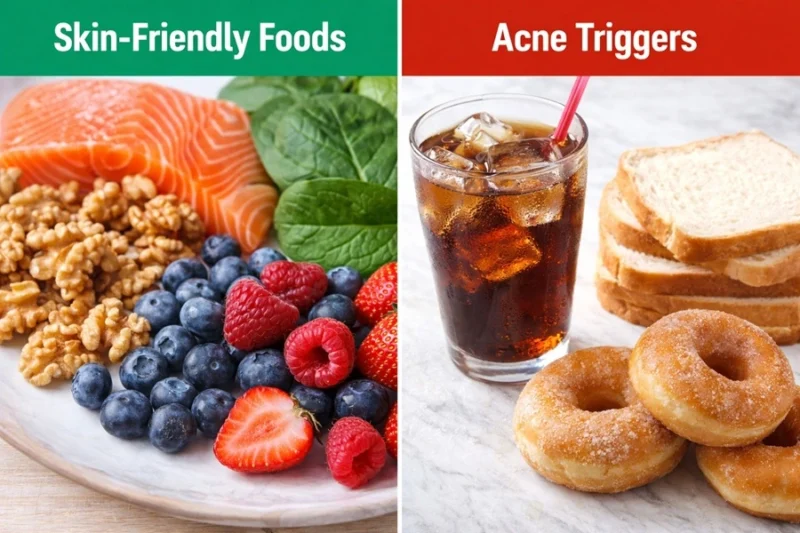
What you eat shows up on your face. While the connection between diet and acne is complex, two main culprits often trigger breakouts:
- High Glycemic Foods: Foods that spike your blood sugar (white bread, sugary drinks, pastries) can trigger insulin spikes, leading to increased oil production.
- Dairy: Some studies suggest a link between cow’s milk and acne severity.
Try incorporating more zinc-rich foods (seeds, legumes) and Omega-3 fatty acids (salmon, walnuts) to help lower inflammation.
Optimize Your Skincare Routine
You don’t need a ten-step routine, but you do need consistency.
- Gentle Cleansing: Wash your face twice a day. Over-washing strips natural oils, causing your skin to overcompensate by producing more oil.
- Non-Comedogenic Products: Ensure your moisturizer and makeup are labeled “non-comedogenic,” meaning they won’t clog pores.
- Exfoliate: Use natural exfoliants like oatmeal or fruit enzymes once a week to remove dead skin cells before they block follicles.
Lifestyle Adjustments
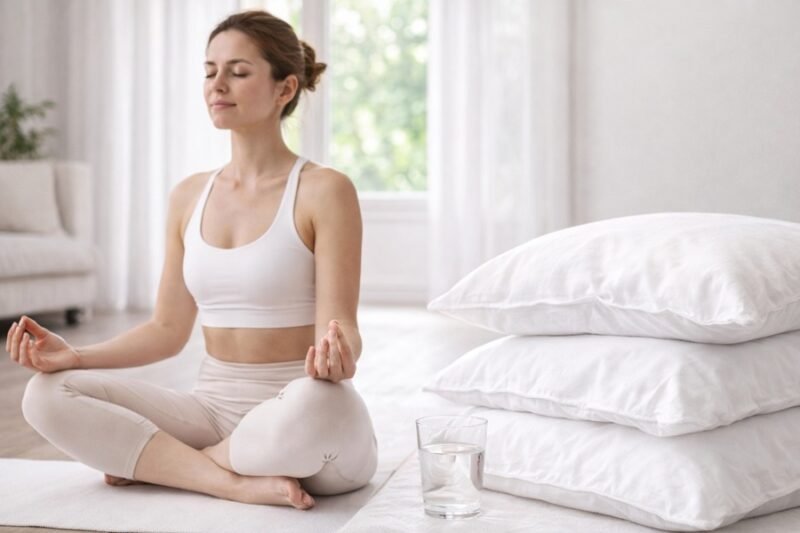
Small changes in your environment can have a massive impact on your skin clarity.
- Change Your Pillowcase: Your pillow collects oils, dirt, and bacteria every night. Change it every few days.
- Manage Stress: Yoga, meditation, or simple breathing exercises can lower cortisol levels.
- Stop Touching Your Face: Your hands transfer bacteria to your face. Keep them away from your chin and cheeks.
When to See a Dermatologist
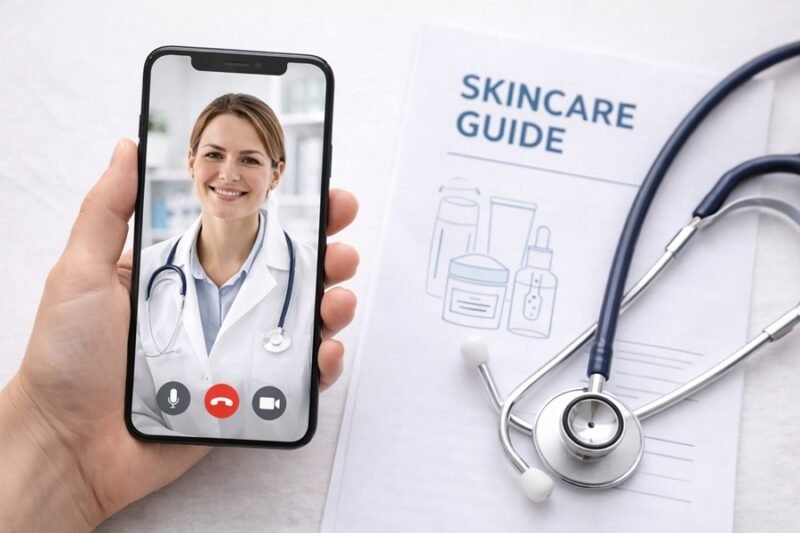
While natural remedies are fantastic for mild to moderate acne, they have their limits. If you have deep, painful cysts or nodules (acne deep under the skin), natural topical treatments may not be able to penetrate deeply enough.
You should seek professional help if:
- Your acne is leaving scars or dark spots.
- Home remedies have shown no improvement after several weeks.
- Your acne is affecting your self-esteem or mental health.
A dermatologist can provide guidance that complements your natural routine, ensuring you don’t suffer unnecessary scarring.
Frequently Asked Questions
Can toothpaste get rid of pimples overnight?
While toothpaste contains drying ingredients like baking soda and hydrogen peroxide, it is not recommended for acne. It is often too harsh for the skin and can cause irritation, redness, and peeling, which might make the pimple look worse in the long run.
Does drinking water help clear acne?
Yes, hydration is essential. Drinking water helps flush toxins from the body and ensures your skin cells are hydrated. Dehydrated skin can trigger excess oil production, so keeping your water intake high is a great preventative measure.
Is it okay to pop a pimple if it has a white head?
It is generally best to avoid popping pimples. Squeezing can push infected material deeper into the skin, increasing inflammation and the risk of scarring. If you must, ensure your hands are sterile, but using a natural spot treatment is a safer option.
How long does it take for natural remedies to work?
Natural remedies usually take longer than harsh chemicals. You might see reduced redness overnight with tea tree oil or honey, but clearing up a breakout completely usually takes a few days. Long-term prevention through diet and lifestyle changes typically takes 4 to 6 weeks to show significant results.
Consistency is Key to Clear Skin
Achieving clear skin naturally is a journey, not a sprint. While ingredients like tea tree oil and aloe vera can help tackle the occasional spot, learning how to remove pimples naturally and permanently requires looking at the bigger picture. By combining effective natural spot treatments with a healthy diet, stress management, and a consistent skincare routine, you can maintain a glowing, blemish-free complexion.
Ready to start your journey to clearer skin? Pick one natural remedy from this list and incorporate it into your routine tonight. Your skin will thank you.
Related Post: How to Fix an Asymmetrical Face: A Guide to Balance and Harmony
