

Packing a suitcase shouldn’t feel like solving a puzzle. Yet millions of travelers struggle with wrinkled clothes, forgotten essentials, and over-weight luggage fees every year. Whether you’re preparing for a weekend getaway or a month-long adventure, mastering the art of packing can transform your travel experience.
This comprehensive guide walks you through proven packing strategies that maximize space, minimize wrinkles, and keep your belongings organized from departure to return. You’ll learn how to pack everything from business suits to carry-ons, along with insider tips that seasoned travelers swear by.
Ready to become a packing expert? Let’s get started.
Key Takeaways
| Packing Element | Best Practice |
| Rolling vs. Folding | Roll casual clothes; fold structured items |
| Shoe Placement | Place along suitcase perimeter, stuff with socks |
| Toiletries | Use leak-proof containers; pack in sealed bags |
| Business Suits | Use garment folders or rolling technique |
| Carry-On Strategy | Pack essentials, one outfit change, valuables |
| Weight Distribution | Heavy items at wheel base; lighter items on top |
Understanding Your Suitcase and Travel Needs
Before you start throwing clothes into your luggage, take a moment to assess your trip requirements. The duration of your journey, destination climate, and planned activities should dictate what—and how much—you pack.
Most travelers overpack by approximately 30%, according to luggage industry research. Combat this tendency by creating a detailed packing list at least three days before departure. This gives you time to edit ruthlessly and identify items you can eliminate.
Consider your suitcase type as well. Hard-shell luggage protects fragile items but offers less flexibility for overpacking. Soft-sided bags provide more give but may not protect delicate belongings as effectively. Understanding your luggage’s strengths helps you pack more strategically.
Read Also: Thespark Shop Kids Clothes For Baby Boy & Girl
Step 1: Gather Your Packing Essentials
Successful packing starts with the right tools. Before you begin, collect these items:
Packing aids:
- Packing cubes or compression bags
- Garment folders for suits and dresses
- Ziplock bags in various sizes
- Luggage scale
- Tissue paper or dry-cleaning bags
Organization tools:
- Shoe bags or shower caps for footwear
- Small pouches for electronics and cables
- Travel-sized toiletry containers
- Laundry bag for dirty clothes
Having these essentials on hand streamlines the packing process and helps maintain organization throughout your trip.
Step 2: Choose Your Core Packing Method
The Rolling Method
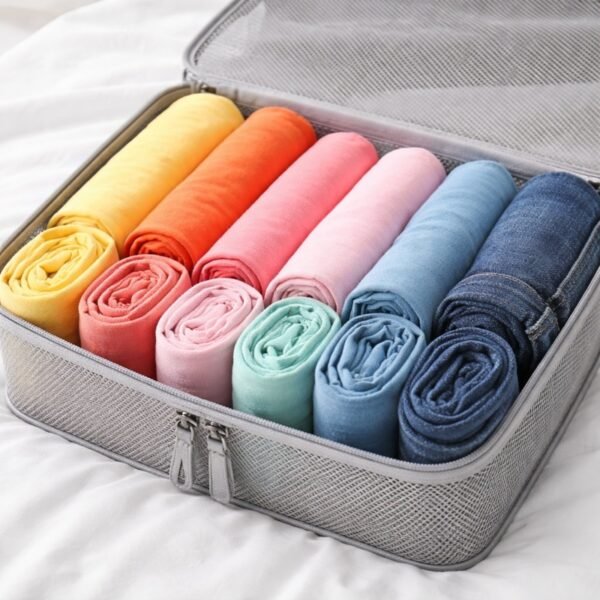
Rolling works exceptionally well for casual clothing like t-shirts, jeans, and athletic wear. This technique reduces wrinkles and allows you to see all items at a glance.
How to roll effectively:
- Lay the garment flat and smooth out wrinkles
- Fold sleeves inward for shirts
- Roll tightly from bottom to top
- Secure with rubber bands if needed
Rolling creates cylindrical shapes that fit together like puzzle pieces, maximizing every inch of available space.
The Folding Method
Structured items like blazers, dress shirts, and trousers maintain their shape better when folded properly. Use tissue paper between folds to prevent creasing.
Professional folding technique:
- Button all buttons and zip all zippers
- Lay garment face-down on a flat surface
- Fold sleeves back at shoulder seams
- Fold in half lengthwise
- Fold in half or thirds depending on suitcase depth
The Bundle Method
This advanced technique wraps clothes around a central core object, minimizing wrinkles through tension. It’s particularly effective for wrinkle-prone fabrics like linen and silk.
Place a small bag or toiletry kit in the center of your suitcase, then wrap each garment around it in layers, alternating directions with each piece.
Step 3: How to Pack a Business Suit in a Suitcase
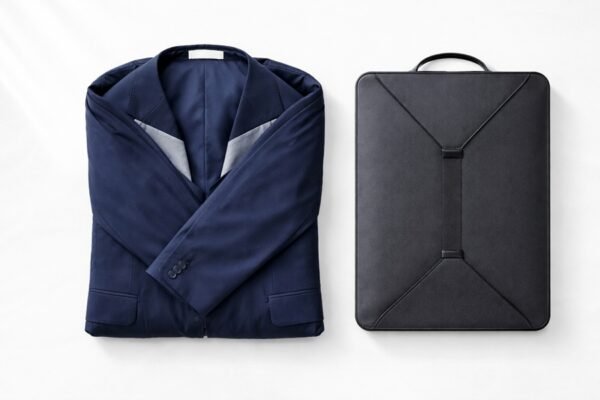
Packing a suit requires special attention to preserve its structure and professional appearance. You have several options depending on your suitcase type.
Method 1: The Inside-Out Technique
This approach works best for suit jackets:
- Turn one shoulder inside out
- Tuck the opposite shoulder into the inside-out side
- Fold the jacket in half lengthwise
- Place in a garment folder or lay flat in your suitcase
Method 2: Using a Garment Folder
Invest in a quality garment folder designed for suits. These rigid frames keep jackets and trousers flat and wrinkle-free. Simply place your suit jacket and pants inside the folder, then position it at the bottom of your suitcase with softer items on top.
Method 3: Rolling Your Suit
For particularly wrinkle-resistant suit fabrics, rolling can work surprisingly well:
- Lay the jacket flat, face-down
- Place trousers on top
- Roll both together from the bottom up
- Secure with a tie or belt
Pack your rolled suit vertically in your suitcase for best results.
Step 4: Strategic Placement of Items
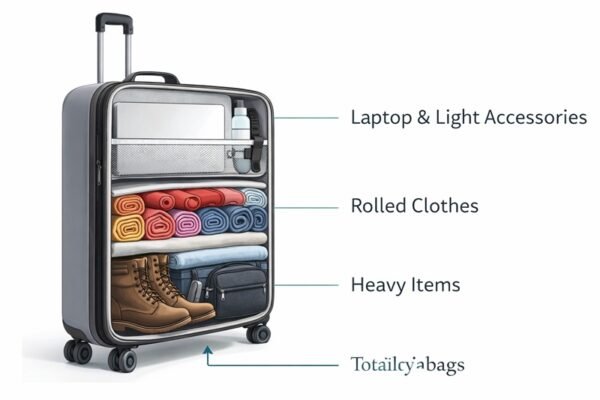
The order in which you pack items significantly impacts organization and wrinkle prevention. Follow this layering system for optimal results.
Bottom Layer: Heaviest Items
Start with shoes placed heel-to-toe along the suitcase perimeter. Fill shoes with socks, underwear, or accessories to utilize dead space. Add your toiletry bag, hair dryer, and other heavy items near the wheel base for proper weight distribution.
Middle Layer: Rolled and Folded Clothing
Place rolled casual items in packing cubes, organizing by type or outfit. Position folded dress clothes and suits flat across the suitcase. Fill gaps with smaller rolled items or accessories.
Top Layer: Delicate and Last-Minute Items
Reserve the top section for items you’ll need first or that wrinkle easily. Include your electronics, toiletries for the journey, a change of clothes, and any fragile souvenirs you’re bringing home.
Step 5: How to Pack a Carry-On Suitcase
Carry-on packing requires strategic thinking due to size and weight restrictions. Airlines typically allow bags measuring 22 x 14 x 9 inches, though dimensions vary by carrier.
Carry-on essentials:
- One complete outfit change
- Essential toiletries (3.4 oz or less per container)
- Medications and important documents
- Electronics and chargers
- Valuable items like jewelry
- Comfort items for the flight
Use every pocket and compartment available. Tuck items inside shoes, roll belts around the perimeter, and compress clothing with packing cubes. Wear your bulkiest items—like boots and heavy jackets—on the plane to save space.
Advanced Packing Tips for Travel
Maximize Space with Compression
Compression bags remove excess air from clothing, reducing volume by up to 50%. They’re particularly effective for bulky items like sweaters and jackets. Roll items tightly before sealing, then press or roll the bag to expel air.
Create an Essentials Kit
Pack a small bag within your suitcase containing everything you’d need if your luggage were delayed: underwear, basic toiletries, medications, and a change of clothes. Keep this accessible at the top of your bag.
Use the Bundle System for Wrinkle-Free Packing
Layer wrinkle-prone garments around a central core, alternating the direction of each piece. The tension created by this method significantly reduces creasing, even during turbulent journeys.
Protect Fragile Items
Wrap breakables in clothing for cushioning. Place them in the center of your suitcase, surrounded by soft items on all sides. Label the outside of your bag as “Fragile” if carrying particularly delicate souvenirs.
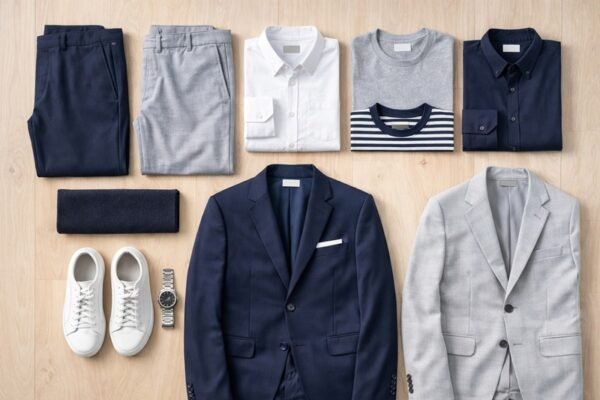
Pack a Capsule Wardrobe
Choose a color palette that allows every piece to coordinate with others. Stick to three colors maximum, selecting versatile items that can be dressed up or down. This approach lets you pack fewer items while maintaining outfit variety.
Utilize Dead Space
Fill every gap and hollow space:
- Stuff socks and underwear inside shoes
- Roll belts around the suitcase perimeter
- Tuck small items in corners and gaps
- Place flat items like books against the suitcase back
Toiletries and Liquids: Avoiding Disasters
Leaking toiletries can ruin an entire suitcase of clothing. Prevent disasters with these precautions:
- Unscrew lids slightly to relieve pressure, then tighten and seal with tape
- Place plastic wrap over bottle openings before screwing on caps
- Pack liquids in sealed plastic bags separated from clothing
- Choose solid alternatives when possible (shampoo bars, solid perfumes)
- Invest in leak-proof containers designed for travel
Remember the 3-1-1 rule for carry-ons: liquids must be 3.4 ounces or less, fit in one quart-sized bag, with one bag per passenger.
Packing Tips When Traveling Internationally
International travel introduces additional considerations beyond domestic trips:
Voltage Adapters and Converters
Research your destination’s electrical standards. Pack appropriate adapters for your electronics and converters if your devices don’t support dual voltage.
Document Copies
Create digital and physical copies of your passport, visa, insurance cards, and prescriptions. Store copies separately from originals.
Cultural Considerations
Research dress codes and cultural norms for your destination. Pack modest clothing if visiting conservative regions, and include appropriate footwear for religious sites.
Climate Variations
Check weather forecasts starting one week before departure. Pack layers that can adapt to temperature changes, and include a lightweight rain jacket for unexpected showers.
FAQ: Common Suitcase Packing Questions
How do I keep my clothes from wrinkling in a suitcase?
Use the bundle wrapping method, place tissue paper between folds, pack clothes tightly to limit movement, and choose wrinkle-resistant fabrics when possible. Hanging items immediately upon arrival also helps.
What’s the best way to pack shoes in a suitcase?
Place shoes heel-to-toe along the suitcase perimeter or at the bottom near wheels. Use shoe bags or shower caps to protect clothing from dirty soles, and stuff shoes with socks or small items to maintain shape and save space.
Should I roll or fold clothes when packing?
Roll casual, wrinkle-resistant items like t-shirts and jeans. Fold structured pieces like dress shirts, blazers, and trousers. Combine both methods for optimal space utilization and wrinkle prevention.
How can I fit more in my carry-on?
Use packing cubes for compression, wear bulky items on the plane, utilize every pocket and corner, choose versatile clothing pieces, and pack travel-sized toiletries. Roll soft items and fold structured ones.
How do I pack a week’s worth of clothes in a carry-on?
Create a capsule wardrobe with coordinating pieces, plan to do laundry mid-trip, pack lightweight fabrics that dry quickly, bring versatile shoes, and use compression bags for bulky items.
What should go on top of a suitcase?
Place items you’ll need first or that wrinkle easily on top: toiletries for the journey, a change of clothes, medications, important documents, electronics, and delicate items.
How heavy should my suitcase be?
Most airlines allow checked bags up to 50 pounds (23 kg). Keep bags under this limit to avoid fees. Use a luggage scale before leaving home to verify weight. Distribute heavy items between checked and carry-on bags if needed.
Expert Perspective: The Future of Packing
As we move deeper into 2026, smart luggage technology continues to evolve. GPS tracking, built-in scales, and app-connected organization systems are becoming standard features. However, the fundamental principles of efficient packing remain unchanged: organization, strategic placement, and thoughtful item selection.
The growing emphasis on sustainable travel has also influenced packing strategies. Travelers increasingly choose quality over quantity, investing in durable, versatile pieces that serve multiple purposes. This shift toward minimalism not only reduces luggage weight but also aligns with environmental consciousness.
Digital nomads and extended travelers have pioneered many of the techniques now entering mainstream use. Their emphasis on capsule wardrobes, multi-functional items, and strategic organization offers valuable lessons for all travelers, regardless of trip duration.
Making Your Next Trip Stress-Free
Mastering the art of packing transforms travel from stressful to enjoyable. By implementing these proven strategies—from rolling techniques to strategic placement—you’ll arrive at your destination with wrinkle-free clothes, organized belongings, and everything you need.
Start practicing these methods before your next trip. Pack and repack your suitcase a few times to find what works best for your travel style and luggage type. Create a master packing list you can customize for different trips, and invest in quality packing tools that make the process easier.
Remember: the best way to pack a suitcase is the one that works consistently for you. Adapt these techniques to your preferences, and you’ll develop a packing system that serves you well for years to come.
Safe travels, and may your suitcase always close on the first try.
Read Also: Pin to Pin Distance: Why It Matters for Logistics, Travel, and E-Way Bill Accuracy
