

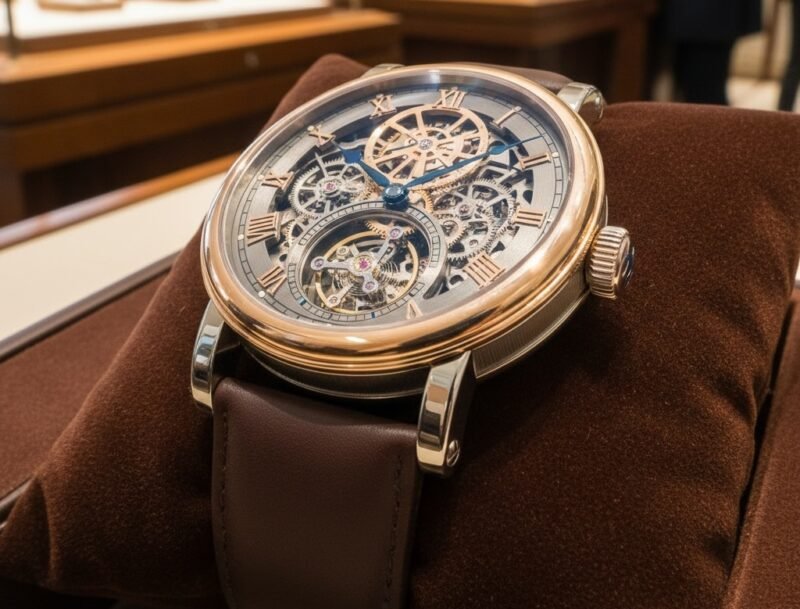
For centuries, the world’s elite have understood a fundamental truth about wealth: true value lies not just in currency, but in craftsmanship. While stocks fluctuate and real estate markets shift, certain tangible assets have quietly appreciated, ticking away on the wrists of the most discerning collectors. Learning how to invest in luxury watches isn’t just about acquiring a beautiful accessory; it is about entering a sophisticated market where engineering meets art, and heritage meets financial growth.
Unlike purchasing a luxury car, which often depreciates the moment it leaves the lot, the right timepiece can retain or even significantly increase its value over time. From the boardroom to the auction house, luxury watch collecting has evolved from a passionate hobby into a serious alternative asset class. Whether you are a young professional looking to make your first serious acquisition or an experienced investor diversifying your portfolio, understanding the nuances of horology is essential.
Why Luxury Watches? Exploring Investment Potential
In an era of digital unpredictability, tangible assets offer a sense of security. Luxury watches have historically shown resilience against inflation and economic downturns. The demand for high-quality mechanical timepieces often outstrips supply, creating a market dynamic ripe for appreciation.
This scarcity is manufactured by design. The most prestigious Swiss houses limit their production numbers to maintain exclusivity. When you combine limited availability with global demand, you create a robust secondary market. For many, a vintage Rolex or a limited-edition Patek Philippe acts as a portable, wearable store of value—a hedge against currency devaluation that looks exceptional with a tailored suit.
Factors That Influence a Watch’s Investment Value
Not every expensive watch is an investment-grade asset. To successfully invest in luxury watches, one must discern between a consumer luxury good and a collectable asset. Several critical factors determine future value.
Brand Heritage and Prestige
The manufacturer’s reputation is paramount. Brands with uninterrupted histories of watchmaking excellence command higher prices. A timepiece from a “Holy Trinity” brand (Patek Philippe, Audemars Piguet, and Vacheron Constantin) or Rolex carries an inherent value based on centuries of brand equity.
Scarcity and Exclusivity
Mass-produced models rarely appreciate significantly. Limited editions, discontinued reference numbers, and models with low production runs are the gold standard. The harder a watch is to acquire at retail, the more likely it is to perform well on the secondary market.
Provenance and Condition
A watch with a story is worth more than a watch without one. “Full sets”—watches that come with their original box, papers, and warranty cards—consistently fetch higher prices. Additionally, unpolished watches in original condition are often preferred by purists over those that have been heavily restored.
Top Luxury Watch Brands to Consider
While personal taste should always play a role, specific brands have historically dominated the investment landscape.
Rolex: The King of Resale Value
The Rolex resale value phenomenon is unique in the luxury world. Models like the Daytona, Submariner, and GMT-Master II are renowned for retaining value. Their robust construction and universal recognition make them the most liquid asset in the watch world.
Patek Philippe vs. Audemars Piguet
When debating Patek Philippe vs Audemars Piguet investment potential, you are choosing between two titans. Patek Philippe is often considered the blue-chip stock of watch collecting, particularly the Nautilus and Grand Complications lines. Audemars Piguet, largely driven by the iconic Royal Oak, offers a more avant-garde but equally prestigious investment route.
Independent Watchmakers
Recently, discerning investors have turned their eyes toward independent artisans like F.P. Journe and Philippe Dufour. As horology trends shift toward bespoke craftsmanship, these low-volume creators are seeing astronomical returns at auction.
Authenticating and Assessing Condition
The most significant risk in the secondary market is authenticity. As prices rise, so does the quality of counterfeits.
- Verify the Serial Numbers: Ensure the serial number on the case matches the paperwork.
- Inspect the Movement: A true expert looks inside the case. The finishing on the movement is often where forgers cut corners.
- Check for ” Franken-watches”: These are genuine watches cobbled together from parts of different watches. All components—dial, hands, bezel, and bracelet—should be period-correct for that specific reference number.
- Condition Report: Learn to read the dial. Is it original or refinished? Has the case been over-polished, losing its sharp architectural lines? In the world of high-end collecting, an unpolished case with scratches is often more valuable than a shiny, over-polished one.
Trusted Dealers and Auctions: Where to Buy
Acquiring the asset is half the battle. You essentially have three avenues:
- Authorized Dealers (ADs): Buying new at retail price is the best financial move, but difficult for highly sought-after models due to waitlists.
- Reputable Secondary Dealers: Companies like WatchBox, Bob’s Watches, or established local jewelers offer authenticated pre-owned pieces. You pay a market premium, but you gain peace of mind.
- Auction Houses: Phillips, Christie’s, and Sotheby’s are the arenas for rare, vintage, and high-value pieces. This is where market records are set.
Maintaining and Storing Your Asset
An investment watch is a mechanical instrument that requires care. To preserve value, service the movement only when necessary and ideally through the manufacturer or a specialist who respects vintage integrity.
Storage is equally vital. Keep boxes and papers in a humidity-controlled environment separate from the watch. If you are building a substantial portfolio, consider a bank safety deposit box or a high-security home safe. Insurance is non-negotiable; ensure your policy covers the current market replacement value, not just what you paid.
Expert Tips for Growing Your Portfolio
- Buy What You Love: Markets can dip. If the value stagnates, you should still enjoy wearing the timepiece.
- Patience is Key: Luxury watch investing is a long game. Do not expect to flip a watch for a quick profit unless you have insider access to retail inventory.
- Follow the Best Investment Watches 2026 Predictions: Stay ahead of the curve. Keep an eye on anniversary models and rumors of discontinuation.
- Diversify: Don’t put all your capital into one reference number. Balance your collection between vintage gems and modern classics.
Risks to Consider Before Investing
The market is not without peril. Liquidity can be an issue; unlike stocks, you cannot instantly sell a watch for fair market value at the click of a button. Trends change—what is fashionable today (like the current craze for steel sports watches) may cool down tomorrow. Furthermore, the cost of insurance and servicing eats into potential profits.
Is a Luxury Watch the Right Investment for You?
Luxury watch collecting for beginners can be daunting, but it is ultimately one of the most rewarding journeys in the world of alternative assets. It offers a tangible connection to history and engineering that few other investments can match. If you have the capital, the patience, and an appreciation for mechanical excellence, a luxury watch portfolio can serve as a sophisticated store of wealth for generations to come.
Frequently Asked Questions
Which watch brand holds its value best?
Rolex is widely regarded as the brand that holds its value most consistently across the board, particularly their steel sports models. However, Patek Philippe and Audemars Piguet often see higher appreciation rates for specific, limited models.
Is buying a luxury watch a good investment for the short term?
Generally, no. While some “flippers” make money by acquiring hard-to-get models at retail and selling immediately on the grey market, true investing is a long-term strategy. Most watches appreciate over 5 to 10 years or more.
Do I need to service my investment watch?
Yes, but be careful. For vintage investment pieces, you want to maintain the original parts. Over-servicing or polishing the case can destroy the value. Always consult a specialist before servicing a collectible watch.
Can I wear my investment watch?
Yes, but wear and tear affect condition. A “new old stock” (unworn) watch commands the highest price. However, most collectors wear their watches carefully. Avoid wearing high-value vintage pieces during sports or in water.
Read Also: Top Luxury Car Investments: A Guide to Diversifying Wealth
