


In recent months, health headlines have been dominated by a mix of respiratory illnesses, but one specific acronym is catching the attention of parents and health officials alike: hMPV. While not a new discovery, reports of hMPV virus cases in India have led to increased curiosity and concern among the public. As we navigate the changing seasons, understanding this virus is crucial for keeping our families safe without giving in to unnecessary panic.
Human Metapneumovirus (hMPV) often flies under the radar compared to flu or COVID-19, yet it is a significant cause of respiratory infections. With hospitals in certain regions reporting an uptick in patients presenting with flu-like symptoms that test negative for common viruses, the focus has shifted to hMPV. This comprehensive guide will break down the current situation regarding hMPV virus cases in India, explain the symptoms to watch for, and offer practical advice on prevention.
Understanding the hMPV Virus
Before we dive into the numbers and regional data, it is essential to understand what we are dealing with. Human Metapneumovirus is a paramyxovirus, belonging to the same family as the respiratory syncytial virus (RSV). It was first identified in 2001, but researchers believe it has been circulating in humans for at least 50 years.

hMPV primarily affects the upper and lower respiratory tracts. While it can infect people of all ages, it is most commonly seen in young children, older adults, and people with weakened immune systems. The virus is seasonal, typically peaking in late winter and spring in temperate climates, though in tropical regions like parts of India, circulation patterns can vary based on monsoon seasons and humidity levels.
Why is hMPV trending now?
The recent buzz around hMPV virus cases in India news stems from improved diagnostic capabilities. In the past, many viral respiratory illnesses went undiagnosed or were simply categorized as “viral fever.” Today, with advanced molecular testing and multi-pathogen panels available in major Indian cities, doctors can specifically identify hMPV. This leads to better data collection, but it can also make it seem like the virus is “suddenly” everywhere, when in reality, we are just getting better at spotting it.
Current Scenario: hMPV Virus Cases in India News Today
The landscape of respiratory viruses in India is dynamic. Following the COVID-19 pandemic, epidemiologists have observed what they call an “immunity gap.” Because lockdowns and masks prevented the spread of common bugs for a few years, population immunity to standard respiratory viruses waned. As a result, we are seeing resurgence waves of various viruses, including hMPV.
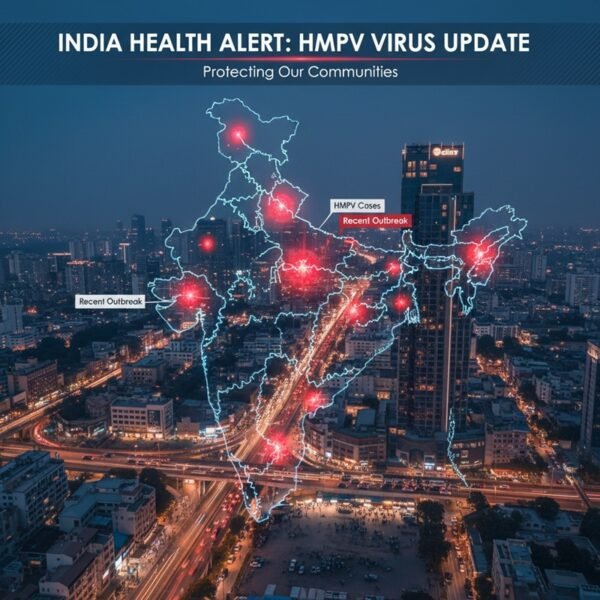
According to recent hMPV virus cases in India news today, there has been a noticeable rise in pediatric admissions for respiratory distress in several metros. While the exact national numbers are often aggregated under SARI (Severe Acute Respiratory Infections) data, sentinel surveillance sites in states like West Bengal, Maharashtra, and Karnataka have flagged hMPV as a contributing factor to the current burden on healthcare facilities.
It is important to note that while cases are being reported, hMPV is generally a self-limiting illness for healthy adults. However, for the vulnerable demographics mentioned earlier, it requires vigilance. The Indian Council of Medical Research (ICMR) and the National Centre for Disease Control (NCDC) routinely monitor these trends to issue advisories when necessary.
hMPV Virus Cases in India List: Affected Regions
While a centralized, real-time public dashboard for hMPV virus cases in India list is not as granular as the COVID-19 dashboards were, reports from major hospital networks provide a clear picture of the spread. The virus tends to circulate more aggressively in densely populated urban centers where transmission is easier.
North India
In Delhi and NCR, seasonal transitions (especially the shift from winter to summer) often bring a spike in respiratory cases. Hospitals have reported that a significant percentage of children presenting with persistent cough and high fever are testing positive for hMPV.
South India
Cities like Bengaluru and Chennai, which experience different weather patterns, have seen cases coincide with the onset of rains or cooler months. The humid conditions can sometimes facilitate the survival of respiratory viruses. Pediatric units in these regions often report co-infections, where a child might have both flu and hMPV, complicating recovery.
West and East India
Mumbai and Kolkata have also contributed to the hMPV virus cases in India statistics. In Kolkata specifically, there have been periods where adenoviruses and hMPV were circulating simultaneously, causing concern among parents due to the similarity in symptoms.
Symptoms vs. Common Flu: How to Tell the Difference
One of the biggest challenges with hMPV is that it mimics other respiratory illnesses almost perfectly. Without a lab test, it is nearly impossible to distinguish it from the common cold or RSV.
Common symptoms include:
- Cough: Often persistent and can become wheezy.
- Fever: Can range from mild to high grade.
- Nasal Congestion: Runny or stuffy nose.
- Shortness of Breath: This is a key sign that the infection might be moving to the lower respiratory tract.
Severe symptoms requiring medical attention:
- Difficulty breathing or rapid breathing.
- Flaring of nostrils while breathing (in infants).
- Blue tint to the lips or skin.
- Dehydration.
If you are following hMPV virus cases in India news, you will notice that the primary concern is usually bronchiolitis (inflammation of the small airways in the lungs) and pneumonia. These complications are what typically land patients in the hospital.
hMPV Virus Cases in India 2025: Projections and Preparedness
Looking ahead, health experts are using current data to model potential trends for hMPV virus cases in India 2025. As surveillance systems strengthen, we can expect the reported numbers to rise—not necessarily because the virus is becoming more dangerous, but because detection is improving.
What to expect in 2025?
- Better Diagnostics: More affordable testing kits are likely to become available, making it easier for smaller clinics to diagnose hMPV.
- Vaccine Research: While there is currently no vaccine for hMPV, global research is ongoing. By 2025, we may see significant progress in clinical trials, some of which could involve Indian sites.
- Seasonal Awareness: Just as we have “flu season,” India may start officially recognizing an “hMPV season,” allowing hospitals to stock up on oxygen and nebulizers in advance.
The goal for 2025 and beyond is to integrate hMPV monitoring into the standard SARI surveillance network across all districts, ensuring that rural areas are not left out of the hMPV virus cases in India list.
Prevention and Treatment Strategies
Since hMPV is a virus, antibiotics do not work against it. Treatment is supportive, meaning the goal is to manage symptoms while the body’s immune system fights off the infection.
Treatment Protocol
- Hydration: Keeping fluids up is critical.
- Fever Management: Paracetamol or ibuprofen (as advised by a doctor) to control temperature.
- Humidifiers: Helping to ease congestion.
- Nebulization: In cases of wheezing or breathing difficulty, doctors may prescribe bronchodilators.
Prevention Tips
The prevention strategies for hMPV are strikingly similar to those for COVID-19 and the flu. To keep the numbers of hMPV virus cases in India down, we must adhere to basic hygiene:
- Hand Hygiene: Wash hands frequently with soap and water for at least 20 seconds.
- Avoid Close Contact: Keep a distance from people who are coughing or sneezing.
- Don’t Share Utensils: Cups and eating utensils can easily transmit the virus.
- Sanitize Surfaces: The virus can live on surfaces for a few hours, so regular cleaning of doorknobs and toys is recommended.
Impact on Vulnerable Groups
While most of the hMPV virus cases in India news focuses on general outbreaks, specific groups bear the brunt of severe disease.
Children and Infants
hMPV is a leading cause of childhood respiratory infections. Premature infants and those with underlying lung conditions are at high risk. Parents should be vigilant if their child seems lethargic or is struggling to breathe.
The older people
Older adults, especially those with COPD (Chronic Obstructive Pulmonary Disease), asthma, or heart failure, can experience severe exacerbations of their existing conditions if they contract hMPV. In this demographic, hMPV can be just as deadly as the flu.
Immunocompromised Individuals
For patients undergoing chemotherapy or those with organ transplants, hMPV can lead to severe pneumonia. Strict isolation from sick family members is often necessary for these individuals during peak viral seasons.
The Role of Climate Change and Pollution
An often-overlooked factor in the rise of respiratory ailments, including hMPV virus cases in India, is environmental quality. High levels of air pollution, particularly in North Indian cities during winter, compromise the respiratory defenses of the population.
When the lungs are constantly irritated by PM2.5 particles, they become more susceptible to viral infections. Furthermore, changing climate patterns can alter the seasonality of viruses, leading to outbreaks at unexpected times of the year. This intersection of environmental health and infectious disease is a growing area of concern for Indian public health officials.
Frequently Asked Questions (FAQs)
Is hMPV a new virus in India?
No, hMPV is not a new virus. It was discovered globally in 2001 and has been circulating in India for decades. The recent increase in hMPV virus cases in India is largely due to better testing methods and heightened awareness post-pandemic.
How is hMPV different from COVID-19?
While both are respiratory viruses with similar symptoms (fever, cough, shortness of breath), they belong to different virus families. COVID-19 is a coronavirus, while hMPV is a paramyxovirus. Additionally, hMPV does not typically cause the loss of taste or smell associated with COVID-19.
Is there a vaccine available for hMPV in India?
Currently, there is no commercially available vaccine for hMPV anywhere in the world, including India. Prevention relies on hygiene practices like handwashing and avoiding contact with sick individuals.
When should I take my child to the doctor for hMPV symptoms?
You should seek medical attention if your child has difficulty breathing, rapid breathing, wheezing, high fever that doesn’t come down with medication, or signs of dehydration.
Conclusion

The reports of hMPV virus cases in India are a reminder that respiratory health goes beyond just one or two well-known viruses. As we move forward, staying informed through reliable sources and maintaining good hygiene practices remains our best defense.
While the “alphabet soup” of viruses (RSV, hMPV, flu) can be confusing and alarming, remember that healthcare providers in India are well-equipped to manage these common infections. If you or a family member exhibits symptoms, consult a doctor rather than self-medicating. By staying vigilant and prepared, we can navigate the seasons of sickness with confidence.
Read Also: WellHealth How to Build Muscle Tag: Your Ultimate Guide to Strength
