

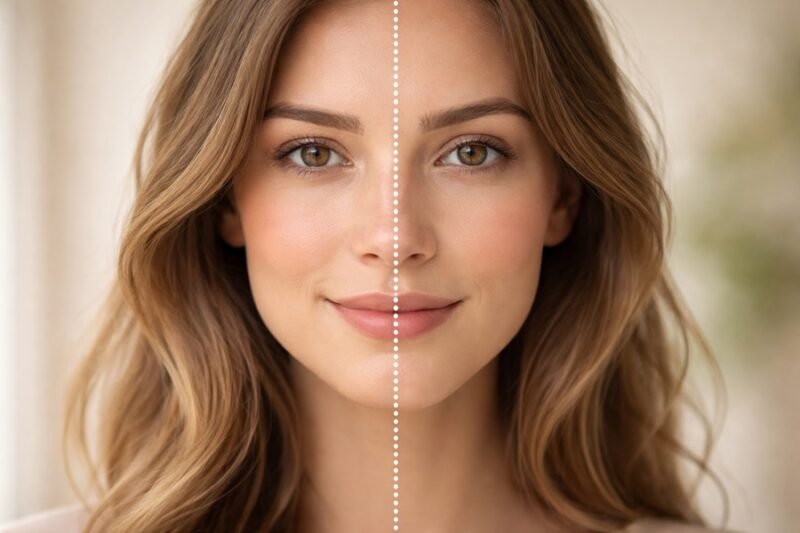
It’s easy to look in the mirror and focus on tiny imperfections. One eyebrow might sit a fraction higher, or one side of your smile might turn up more than the other. This is facial asymmetry, and it’s completely normal. In fact, perfect symmetry is incredibly rare. However, for some, the differences can be more noticeable and a source of self-consciousness. If you’ve found yourself searching for ways to achieve a more balanced appearance, you’re not alone. This guide explores how to fix an asymmetrical face, from understanding the causes to exploring effective solutions.
We will break down everything you need to know, providing a clear path toward feeling more confident in your own skin.
Understanding the Roots: Asymmetrical Face Causes and Cures
Before diving into solutions, it’s important to understand why your face might appear uneven. Most asymmetry is natural and develops as you grow. However, certain factors can contribute to or worsen it.
Common Causes of Facial Asymmetry
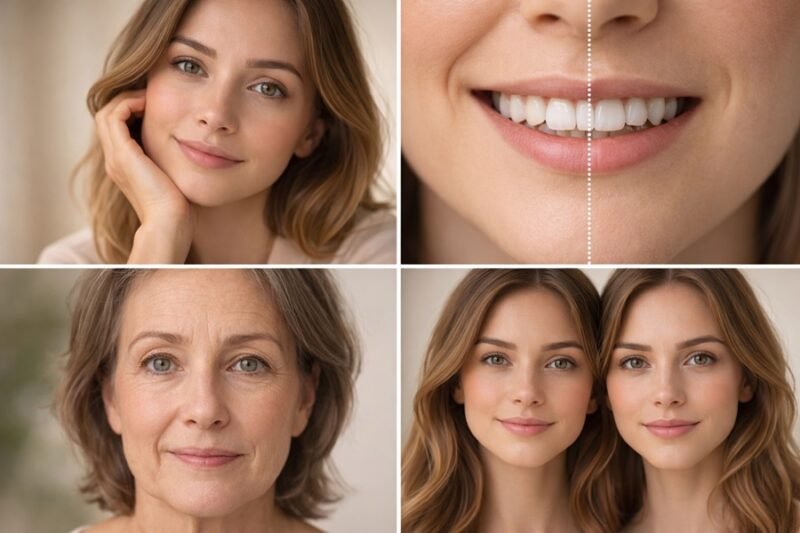
- Genetics: The most common reason for an asymmetrical face is simply your genes. Bone structure, fat distribution, and muscle development are largely determined by your DNA.
- Aging: As we get older, our faces naturally change. Skin loses elasticity, fat pads shift and decrease, and even our bones can change slightly, which can lead to increased asymmetry.
- Dental Work and Jaw Issues: Issues like a misaligned bite, missing teeth, or temporomandibular joint (TMJ) disorders can significantly impact facial structure. Chewing predominantly on one side can also lead to uneven muscle development in the jaw.
- Lifestyle Habits: Believe it or not, some daily habits can contribute to an uneven face. Sleeping on one side of your face consistently, poor posture, and even resting your face on your hand can, over time, affect facial symmetry.
- Injury or Trauma: A past injury to the face, even from childhood, can alter bone and soft tissue structure, resulting in asymmetry.
How to Make Your Face More Symmetrical: Practical Solutions
Fixing an uneven face can range from simple exercises to professional treatments. The right approach depends on the underlying cause and the degree of asymmetry.
At-Home Techniques and Exercises
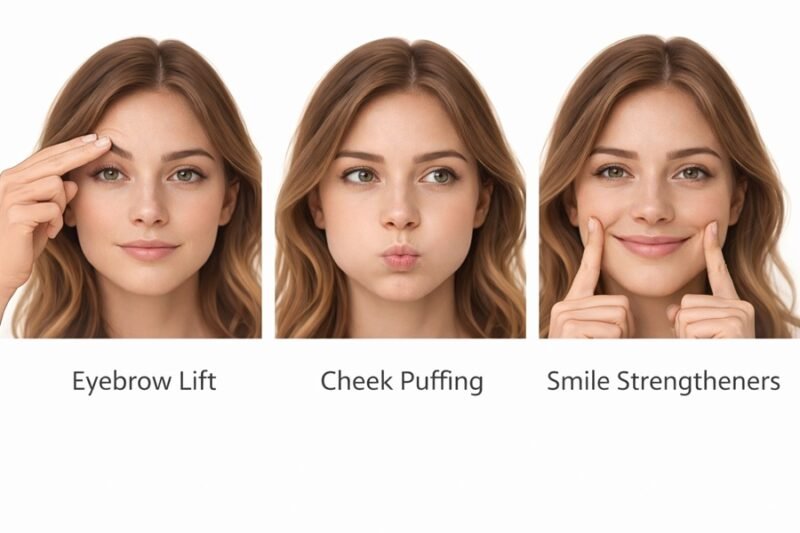
For minor asymmetry caused by muscle imbalances, facial exercises can sometimes help. Think of it as a workout for your face.
Facial Exercises to Try:
- Eyebrow Lifts: If one eyebrow is lower, use your fingers to gently hold it in a lifted position while trying to close your eye against the resistance. Hold for a few seconds and repeat several times.
- Cheek Puffing: Inflate one cheek with air, hold for 10-15 seconds, and then switch to the other side. This can help strengthen and tone the cheek muscles.
- Smile Strengtheners: Place your index fingers at the corners of your mouth and smile, pulling the corners up against the resistance of your fingers. This helps strengthen the muscles used for smiling.
Proper tongue posture (often called Mewing) can also help in defining the jawline over time.
While these exercises can help with muscle tone, remember that consistency is key, and results will be subtle.
Professional Asymmetrical Face Correction
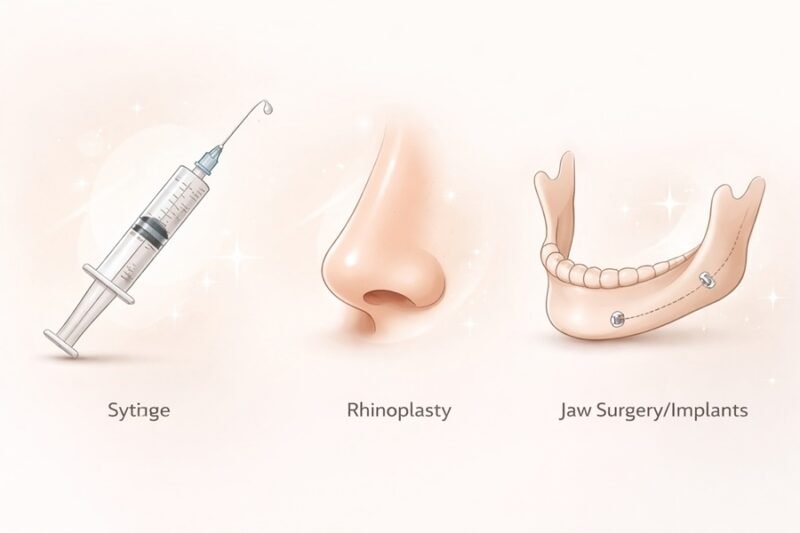
For more noticeable asymmetry or issues related to bone structure, professional medical and cosmetic treatments offer more significant results.
Non-Surgical Options
- Dermal Fillers: This is one of the most popular methods for asymmetrical face correction. A qualified practitioner can inject fillers (like hyaluronic acid) into specific areas to add volume, creating a more balanced and symmetrical appearance. Fillers can be used to even out cheeks, jawlines, and lips.
- Botox: This treatment works by temporarily relaxing muscles. It can be used to lift a drooping brow, soften a square jaw on one side, or correct a gummy smile that is more prominent on one side.
- Fat Grafting: This procedure involves taking fat from another part of your body, purifying it, and injecting it into the face to add volume and correct contour irregularities.
Surgical Options
- Rhinoplasty (Nose Job): If a crooked nose is the primary cause of asymmetry, a rhinoplasty can straighten the nasal bridge and reshape the tip for a more centered appearance.
- Facial Implants: For asymmetry caused by bone structure, implants can be used to build up the cheeks, chin, or jawline. This provides a permanent solution for creating facial harmony.
- Orthognathic Surgery (Jaw Surgery): When asymmetry is due to a misaligned jaw, this corrective surgery can reposition the bones of the upper or lower jaw to improve both function and facial balance.
Making Lifestyle Changes for a More Symmetrical Face

Beyond specific treatments, your daily habits play a role in maintaining facial symmetry.
- Improve Your Posture: Slouching and tilting your head can strain your neck and facial muscles unevenly. Sit and stand up straight with your head balanced over your spine.
- Sleep on Your Back: Consistently sleeping on one side can put pressure on your face, potentially contributing to wrinkles and minor shifts over time. Try sleeping on your back to distribute pressure evenly.
- Chew on Both Sides: Make a conscious effort to chew your food on both sides of your mouth to ensure your jaw muscles develop evenly.
Your Path to Facial Harmony
Feeling self-conscious about an asymmetrical face is a common experience, but it’s important to remember that true perfection doesn’t exist. The goal is to find balance and feel confident in your appearance. Whether you explore simple facial exercises, consider non-surgical treatments like fillers, or look into more permanent solutions, there are many options available.
Understanding the causes is the first step in finding the right cure. If you’re considering professional treatment, the most crucial step is to consult with a board-certified dermatologist, plastic surgeon, or orthodontist. They can properly diagnose the cause of your asymmetry and recommend a safe and effective treatment plan tailored to you.

Frequently Asked Questions
Q1: What causes an asymmetrical face?
A: Asymmetrical faces are often the result of genetics, aging, lifestyle habits, dental issues, or past injuries. Most people have some degree of facial asymmetry, which is completely normal.
Q2: Can facial exercises really help correct asymmetry?
A: Facial exercises can help improve minor cases caused by muscle imbalances, but results are usually subtle and require consistent practice. They’re not effective for correcting asymmetry caused by bone structure.
Q3: What professional treatments are available for facial asymmetry?
A: Options include non-surgical treatments like dermal fillers, Botox, and fat grafting, as well as surgical procedures such as rhinoplasty, facial implants, or orthognathic jaw surgery. Always consult a qualified specialist to discuss the best approach for your needs.
Q4: Is it possible to make my face perfectly symmetrical?
A: Perfect facial symmetry is very rare. While treatments and lifestyle changes can improve balance and create a more symmetrical look, some degree of asymmetry is natural and nothing to be ashamed of.
Disclaimer
The information provided in this article is for educational purposes only and is not intended as a substitute for professional medical advice, diagnosis, or treatment. Always seek the advice of your physician or another qualified healthcare provider with any questions you may have regarding a medical condition or treatment options.
For more updates, you can connect with at Prime Scroll
