

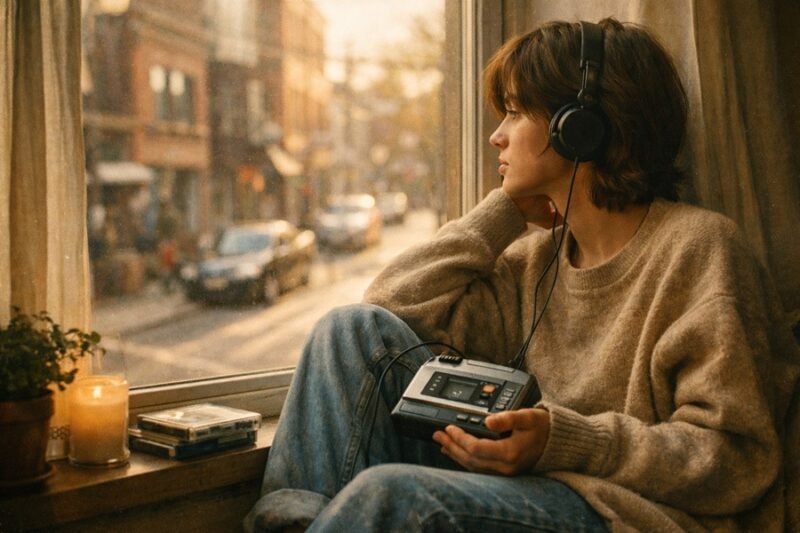
Do you ever find yourself scrolling through TikTok, only to stop at a grainy video of a 1998 shopping mall? Or maybe you’ve felt a strange, comforting pull toward buying a wired pair of headphones, despite the AirPods sitting on your desk. You aren’t alone. As we hurtle toward the future, there is a collective, magnetic pull dragging us back to the past.
But this isn’t just about missing the “good old days.” It’s a deeper cultural shift. As the world speeds up with AI advancements and hyper-connectivity, we are seeing a powerful counter-movement emerge: the desire to slow down.
This intersection—where the comfort of the past meets the intentionality of the present—is shaping the 2026 nostalgia marketing trends. It’s a space where the 90s aesthetic revival isn’t just a fashion statement, but a lifestyle choice. It’s where digital detox trends aren’t just about putting the phone down, but about picking something tangible up. Let’s explore how looking backward is actually helping us move forward with more intention and peace.
The 90s Aesthetic Revival: More Than Just Flannel
The cycle of fashion is predictable, but the current 90s aesthetic revival feels different. It’s not just about the clothes; it’s about the vibe. We are seeing a resurgence of slip dresses, baggy denim, and blocky sneakers, but we are also seeing a return to the “uncurated” life.
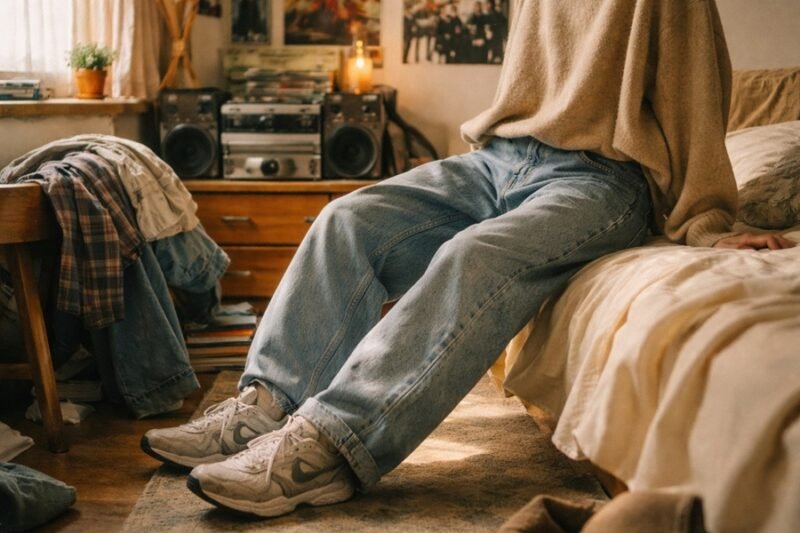
For Millennials, the 90s represent the last era of analog childhood—a time before social media algorithms dictated our tastes. For Gen Z, who never experienced it firsthand, the era represents a mythical time of authentic connection and simpler worries. It’s a visual language of grain, flash photography, and raw, unfiltered moments.
Brands are catching on fast. We see fast-food chains bringing back retro packaging and fashion houses collaborating with heritage sportswear brands to recreate iconic 90s looks. This isn’t lazy marketing; it’s a strategic response to a consumer base that is tired of the polished, hyper-real aesthetic of the 2010s. They want the grit, the fun, and the perceived freedom of the 1990s.
Retro-Tech Popularity: craving the Tactile
In an age where everything is in the cloud, we are desperate to hold something in our hands. This drive is fueling retro-tech popularity like never before. Vinyl record sales have outpaced CDs for the first time in decades, point-and-shoot film cameras are selling out on eBay, and classic video game consoles are finding their way back into living rooms.
Why? Because modern tech is frictionless to the point of feeling empty. Streaming a song on Spotify is convenient, but dropping a needle on a record requires intention. It requires you to stop, listen, and participate in the experience.
This aligns perfectly with the slow living ethos. Retro tech forces us to single-task. You can’t scroll through Instagram while changing the film in your camera. You can’t skip tracks every 10 seconds on a cassette tape. These devices demand our presence, creating small pockets of mindfulness in our otherwise frantic days.
Frugal Optimism Culture: Making Do and Mending
As economic landscapes shift, we are seeing the rise of frugal optimism culture. This is a mindset that rejects the “buy more, be happy” narrative in favor of resourcefulness and creativity. It’s the cool older sister of sustainability.
Frugal optimism is manifesting in explosive ways:
- Upcycling: Turning thrifted oversized shirts into matching sets.
- DIY Decor: Painting old furniture rather than buying new flat-pack items.
- Heritage Skills: Learning to bake bread, knit, or grow vegetables.
This connects directly to nostalgia. It reminds us of a time when people fixed things instead of throwing them away. It celebrates the imperfections of homemade goods over the soulless perfection of mass production. It’s a rejection of consumerism that feels empowering rather than restrictive.
Digital Detox Trends: Unplugging to Reconnect
The most significant driver of 2026 nostalgia marketing trends is the overwhelming desire to disconnect. Digital detox trends are moving from niche challenges to necessary survival tactics. We are seeing the rise of “dumb phones”—devices that only call and text—as status symbols.
People are realizing that mental clarity is the ultimate luxury. We are trading doom-scrolling for reading physical paperbacks (the “BookTok” effect). We are swapping online gaming for board game nights. We are leaving the phone at home to go for a walk in nature.
These nostalgic activities offer a sanctuary. They remind us that life happens offline. By engaging in low-tech hobbies, we reclaim our attention spans and lower our cortisol levels, proving that sometimes, the old ways really were better for our brains.
Slow Living Movement Benefits for Modern Life
At the heart of all these trends lies the slow living movement. It’s the thread tying the 90s fashion, the vinyl records, and the digital detoxes together. But what does it actually do for us?
The slow living movement benefits are profound:
- Reduced Anxiety: By opting out of the “hustle culture” race, we lower the pressure to constantly perform and produce.
- Deeper Connections: Slowing down allows us to actually listen to our friends and family, rather than just waiting for our turn to speak (or check our notifications).
- Mindful Consumption: We buy less, but we buy better. We cherish the items we own because they have stories, not just price tags.
We see this in the rise of “slow travel”—taking trains instead of planes, staying in one place for a month rather than hopping cities every two days. It’s about depth over breadth.
Nostalgia as a Marketing Tool: The Psychology of Comfort
For marketers, understanding this emotional landscape is crucial. Brands that tested nostalgia-led campaigns in 2024–25 often saw higher engagement but lower tolerance for inauthentic messaging. Nostalgia as a marketing tool is incredibly effective because it bypasses logic and goes straight to the heart. It triggers the release of dopamine and oxytocin, making us feel safe, happy, and connected.
| Trend | Strategy for Brands |
| Tactile Experience | Product packaging mein “Texture” aur “Unboxing” experience par dhyan dein. |
| Analog Connection | Physical events, pop-up stores, ya handwritten notes ka use karein. |
| Unpolished Visuals | Ad campaigns mein grainy filters aur candid (raw) photos use karein. |
However, consumers are smart. They know when they are being pandered to. To tap into 2026 nostalgia marketing trends effectively, brands need to go beyond the surface.
- Authenticity is Key: Don’t just slap a retro filter on an ad. Understand the values of the era you are referencing.
- Mix Old and New: The “Nostalgia Remix” isn’t about living in the past; it’s about bringing the best of the past into the future. For example, a brand might sell a vintage-inspired aesthetic product but ensure it’s made with modern, sustainable materials.
- Focus on Feeling: Sell the feeling of the era—the freedom, the simplicity, the connection—not just the visual style.
Finding Your Own Rhythm
The convergence of nostalgia and slow living tells us something important about the human condition: we are tired of running. We are looking for anchors.
Whether it’s putting on a baggy 90s sweater, listening to a crackly vinyl record, or just turning off your phone for an hour, these small acts are a form of rebellion against a world that demands instant speed.
As we move toward 2026, the trends suggest we will continue to look backward to find our footing. So, embrace the remix. Find the retro habits that bring you peace, and don’t be afraid to slow down. After all, the best things in life usually take a little time.
Read Also: Beyond Google: The Rise of Social Media as a Search Engine
